Perimenopause: What’s Happening and How to Manage It
Perimenopause is the phase before menopause when hormone levels start to fluctuate. It can last several years, and for many women, this is when the most noticeable symptoms appear.
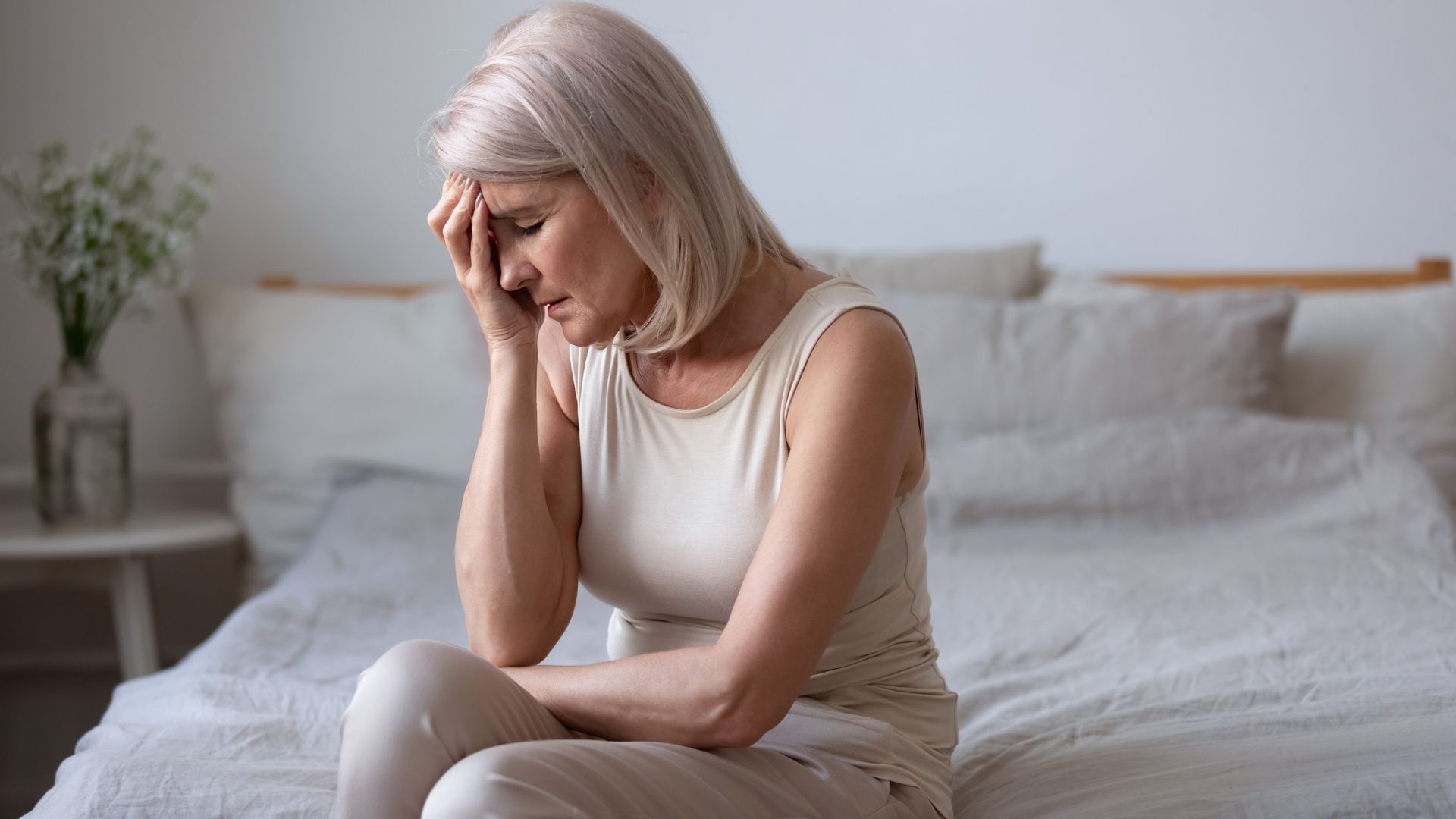
Common Symptoms
Irregular or changing periods
Hot flushes and night sweats
Mood shifts or increased anxiety
Trouble sleeping
Brain fog or difficulty concentrating
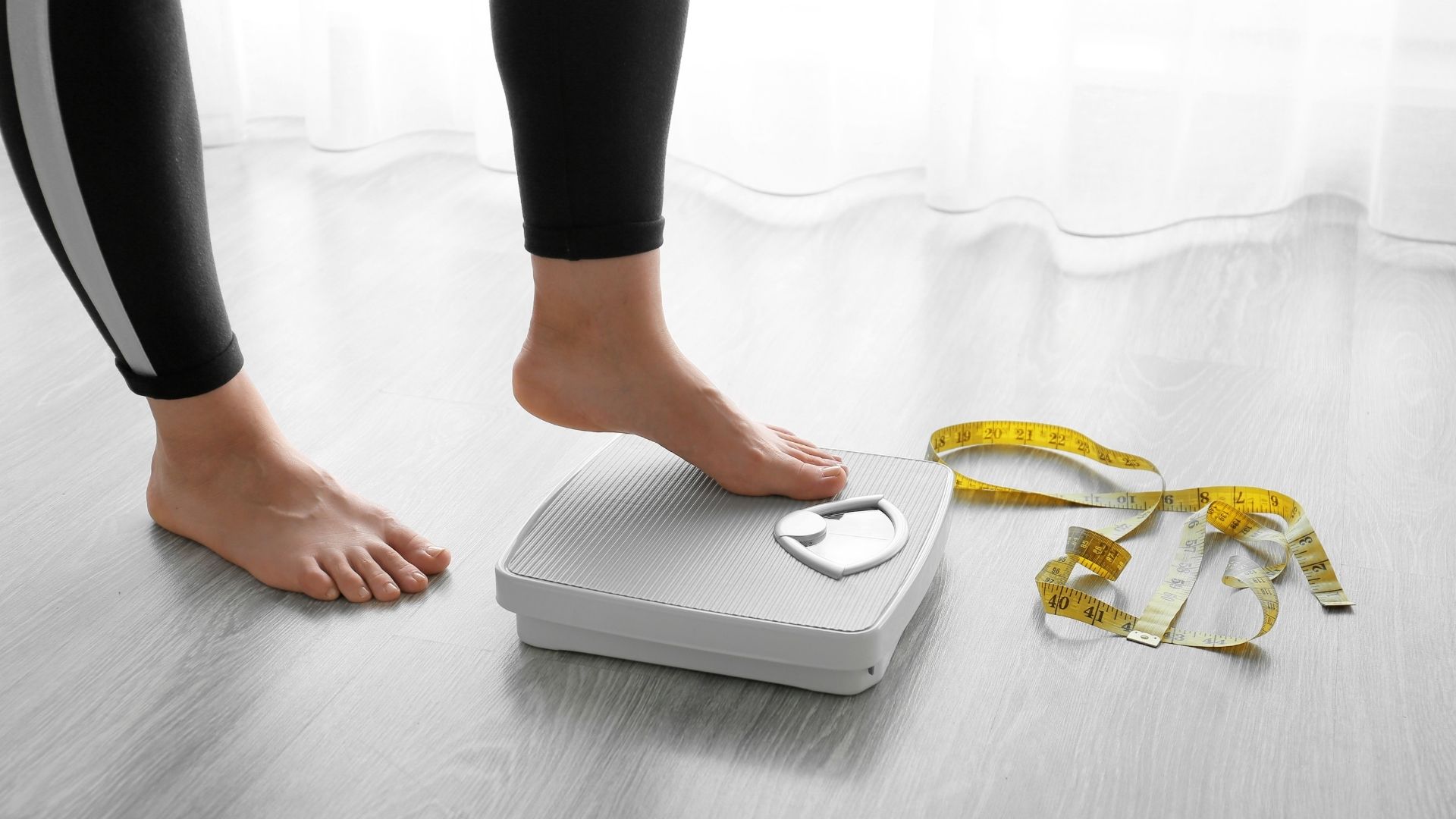
Weight gain or changes in body shape
Vaginal dryness or discomfort
Reduced libido
These symptoms can vary from mild to disruptive, and they often come and go unpredictably.
Why These Changes Happen
As the ovaries slow down hormone production, oestrogen and progesterone levels become irregular. This affects temperature regulation, sleep, mood, metabolism and menstrual changes. Even if you’re still getting periods, perimenopause may already be underway.
What Can Help
Lifestyle support:
Balanced, nutrient-dense eating
Strength training and regular movement
Consistent sleep routines
Stress-reduction practices
Bone-health support with vitamin D, calcium and resistance exercise
Strength training
Regular exercise and movement
Medical options:
HRT can help stabilise symptoms for many women.
Non-hormonal options are available for those who prefer or require them.
Tracking symptoms helps tailor treatment effectively.
Final Thoughts
Perimenopause is a major transition, but support is available. With the right combination of lifestyle strategies and medical care, most women find they can feel like themselves again. You don’t have to navigate it alone. Personalised guidance makes all the difference.